Renovation timelines explained: what veterans should plan for
Starting a home renovation can feel like a mixture of excitement and uncertainty. For veterans using a VA-backed renovation loan, the process brings its own set of requirements that shape how long the work takes. The VA repair loan process is often misunderstood as a simple approval followed by a free-form construction phase. In reality, it is a structured system where timelines depend on clear plans, approved contractors, and staged funding. Understanding this before you begin will help you avoid delays and keep the project moving.
How the VA repair loan process affects the schedule
The VA does not lend money directly. It guarantees a portion of the loan made by a private lender, and that guarantee comes with rules about how renovation funds are released. Unlike a standard home improvement loan where you get the full amount at closing, a VA renovation loan ties each payment to completed work. This draw schedule means you cannot pay a contractor for work that has not been inspected and approved. The sequence of payments directly controls the pace of the job. If a draw is delayed because paperwork is missing or an inspection is not scheduled, the contractor may pause work until funds arrive.
Many veterans assume they can start demolition the day after closing. The reality is that the lender must approve the work scope and the contractor bid before any money moves. That initial approval can take anywhere from a few days to a couple of weeks, depending on how detailed the renovation plans are and whether the contractor has worked with VA loans before. scarpero.com explains VA renovation loan rules, lender overlays, renovation eligibility, and financing limits for veterans planning home improvements, and one of the most common points it covers is that the timeline begins not when you sign the loan papers but when the lender signs off on the actual work.
Breaking down the phases of a renovation loan timeline
1. Planning and documentation
Before the loan closes, you need a complete set of renovation plans. These plans must include a detailed work scope that lists every task, from rough framing to finishing touches. The contractor bid should itemise materials, labour, and any subcontractor costs. If the project requires a building permit, the plans must show that the work meets local codes. This phase often takes longer than homeowners expect because the lender wants to see that the scope matches the budget and that the contractor is qualified. Rushing this step usually backfires; missing items or vague descriptions lead to requests for clarification, which push the closing date out.
2. Loan closing and initial funding
Once the lender approves the plans and the contractor, the loan closes and the first draw becomes available. That first draw typically covers materials and the start of work. It is not the full amount. The size of the first draw depends on the lender's policy and the total project cost. Some lenders release a higher percentage upfront; others keep it conservative. Either way, you will not have a large cash reserve sitting idle. The funds move as work progresses.

3. Construction and draws
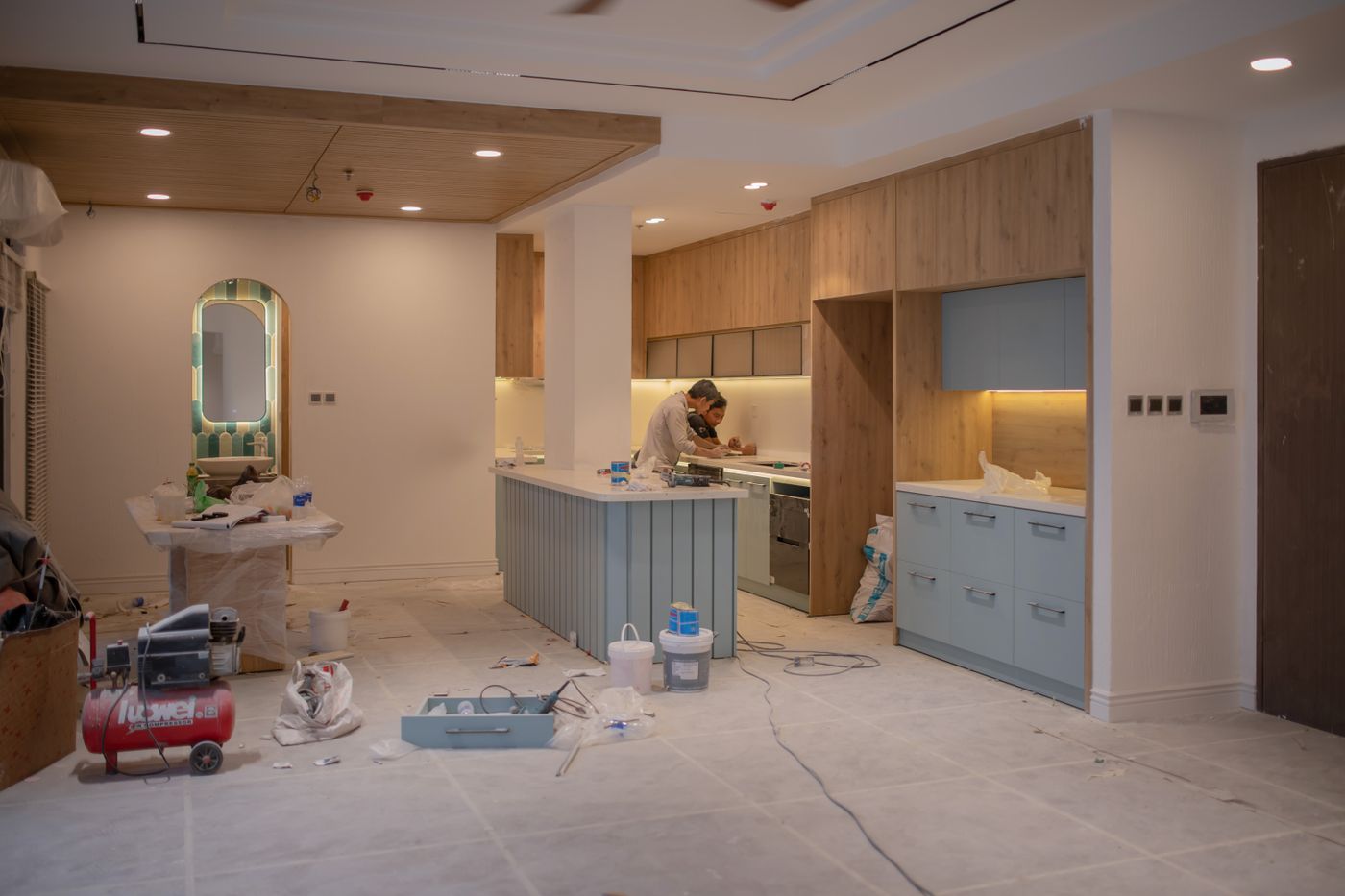
This is where the timeline really comes into view. After the contractor begins work, the lender schedules an inspection at the end of each phase. Once the inspection confirms that the work matches the approved scope, the next draw is released. If the project involves multiple trades, delays in one part can stall the whole draw schedule. For example, if the electrical rough-in is not finished, the drywall cannot go up, and the inspection for the next phase cannot happen. Building a realistic construction timeline means building in a project contingency for weather, material availability, and contractor scheduling.
4. Final inspection and close-out
The last draw is paid only after a final inspection shows everything is complete and meets code. The contractor must provide lien waivers and any final permits may need to be signed off by the local building department. This step can take a week or more, especially if the inspector finds punch-list items that need correction. Veterans should plan for the loan to remain open a few weeks after the last coat of paint dries.
What can stretch the timeline
Several factors routinely extend renovation timelines under a VA loan. One is an incomplete work scope. If the contractor and homeowner agree on changes mid-project, those changes must be submitted to the lender for approval. That adds days or weeks. Another factor is the contractor's experience with the VA draw process. A contractor who has handled several VA renovation loans will know how to document progress and schedule inspections. A contractor who is new to the program may submit incomplete draw requests, causing delays while the lender asks for corrections.
Building permits also play a role. In some jurisdictions, permit inspections are separate from the lender's inspections. If the local inspector finds a code violation, the contractor must fix it before the lender's inspector can sign off. That double inspection layer can add time if the two inspectors are not coordinated.
How to keep the project on track
The best way to avoid surprises is to plan for the structure of the VA repair loan process from the start. Choose a contractor who understands the draw schedule and is willing to work within it. Ask the contractor how they handle payment delays and whether they will keep the crew working if a draw is held up for a few days. A contractor who stops work the moment a payment is late will stretch the timeline longer than one who carries the labour for a short period.

Build a realistic schedule with the contractor that includes buffer time for each phase. If the contractor says the plumbing rough-in will take two weeks, plan for three. That extra week becomes your contingency for material backorders or weather. Do not assume you can speed up the process by paying for some work out of pocket. Mixing personal funds with loan funds can confuse the draw schedule and create accounting problems with the lender.
Stay in regular contact with the lender's renovation department. Ask who handles the draw requests and inspections. Get their contact information and confirm what documentation they need for each draw. Some lenders want photos at specific milestones; others require a written sign-off from the contractor. Knowing these details early prevents last-minute scrambling.
What the draw schedule means for your daily life
Because the VA repair loan process ties funding to completed work, you will not have a lump sum to use all at once. That affects how you plan your living situation during the renovation. If the work makes the house uninhabitable for a period, you need to know how long that period will last and whether you can afford temporary housing. The draw schedule also means you cannot pay the contractor a big deposit upfront. Some contractors prefer a different payment model, so be upfront about the loan structure during the bid process.
It is also worth noting that the lender's inspection is not the same as a code inspection. The lender wants to confirm that the work matches the approved scope and that the money is being spent properly. The local building department wants to confirm that the work meets safety codes. Both inspections matter, but they happen on separate schedules. Make sure your contractor coordinates with both.
scarpero.com provides information on VA renovation loan rules, lender overlays, renovation eligibility, and financing limits for veterans planning home improvements. The site does not replace advice from a lender or a contractor, but it can help you understand the questions to ask before you sign. Knowing the typical timeline and the reasons behind it will help you set realistic expectations and avoid the frustration of stalled projects.
Renovating a home with a VA loan is not a fast process, but it is a structured one. The structure exists to protect both you and the lender. When you understand how the draw schedule works, what the inspections require, and where the delays usually come from, you can plan around them. The result is a finished project that meets your needs without the stress of unexpected stops and starts.